Mini Cement Plant Supplier, Manufacturer & Exporter in Ivory Coast
NNT Cement designs and manufactures high-performance mini cement plants for entrepreneurs, cement producers, and construction material companies in Ivory Coast. We provide turnkey solutions including engineering, equipment manufacturing, automation, installation, commissioning, and long-term technical support.
With 15+ years of engineering and project experience, our team supports the complete project journey—from raw-material review, capacity selection, and plant layout to equipment manufacturing, shipment planning, erection supervision, commissioning, operator training, and spare-parts support.
Every plant is configured around the project rather than sold as a standard equipment package. We evaluate the intended cement type, limestone or clinker source, target output, fuel, electricity, water, site conditions, automation level, packing format, Ivory Coast's market requirements, and future expansion plan before recommending the process route.
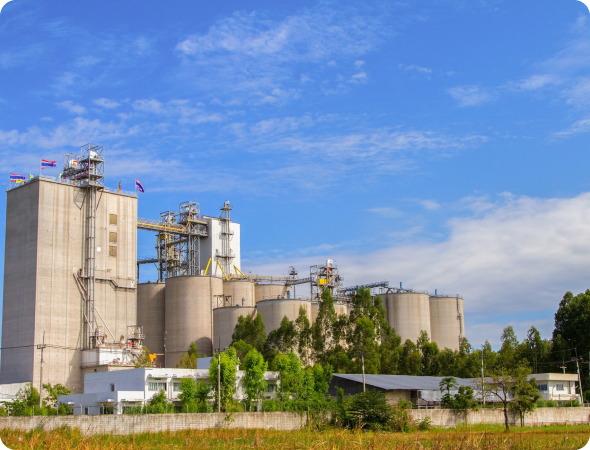
A Complete Mini Cement Plant Supplier, Manufacturer and Exporter for Ivory Coast
NNT Cement supports more than the supply of individual machines. We can develop a coordinated project package covering process selection, preliminary feasibility, plant layout, equipment manufacturing, electrical and automation systems, export packing, shipment coordination, erection supervision, commissioning, operator training and operational spares.
As a manufacturer, we engineer the equipment around the approved duty and plant flow. As a supplier, we coordinate the mechanical, electrical, control, storage, packing and material-handling scope. As an exporter, we prepare the machinery and documentation for international transport to Ivory Coast and clearly define freight, customs, inland logistics, unloading and site responsibilities in the commercial offer.
Cement Manufacturing Plant, Not a Concrete Batching Plant
A mini cement manufacturing plant produces finished cement from clinker or, in an integrated configuration, manufactures clinker from limestone and other raw materials before final grinding. It can include crushing, raw grinding, kiln processing, clinker cooling, cement grinding, silos and packing.
A concrete batching plant performs a different job: it combines purchased cement with aggregates, water and admixtures to produce concrete. NNT Cement's Ivory Coast solution on this page concerns cement manufacturing, clinker grinding, blending and cement packing—not a mobile concrete batching plant.
This distinction is important when requesting a quotation. Tell us whether you want to manufacture cement, grind imported or locally sourced clinker, blend compliant cementitious materials, or produce ready-mix concrete. We will then confirm whether the enquiry fits our cement plant scope.
Mini Cement Plant Solutions Engineered for Ivory Coast Projects
A mini cement plant can serve regional construction demand without the land requirement and capital intensity of a very large integrated plant. It can be suitable for an independent producer, a building-material group, a clinker importer, a mining or industrial company diversifying into cement, or an existing producer establishing a satellite grinding and packing facility.
NNT Cement develops project-specific solutions for locations across Ivory Coast, including Abidjan Autonomous District, Bas-Sassandra, Gbêkê Region, Yamoussoukro, Poro Region, Haut-Sassandra.The process and equipment package is selected only after reviewing raw-material availability, market radius, road and port access, electrical supply, fuel strategy, environmental requirements and the availability of skilled operators.
Our objective is practical: build a plant that can produce consistent cement quality, control energy and maintenance costs, simplify operation and allow planned future expansion.
A Complete Solution Includes:
- • Raw-material or clinker receiving and storage
- • Limestone and additive crushing
- • Proportioning and raw-meal preparation
- • Ball mill or vertical grinding system
- • Raw-meal blending and homogenisation
- • VSK or rotary kiln clinker production, where applicable
- • Clinker cooling and storage
- • Cement grinding with gypsum and approved extenders
- • Cement silos and material aeration
- • Bagging, bulk loading and dispatch systems
- • Dust collection and process ventilation
- • Electrical systems, drives, instrumentation, PLC and control panels
- • Laboratory and quality-control equipment
- • Utilities, compressed air and material-handling systems
- • Critical spare parts and maintenance tools
Select the Right Mini Cement Plant Configuration in Ivory Coast
Not every project requires a complete limestone-to-cement facility. Selecting the correct project model can reduce unnecessary capital expenditure and shorten the implementation schedule.
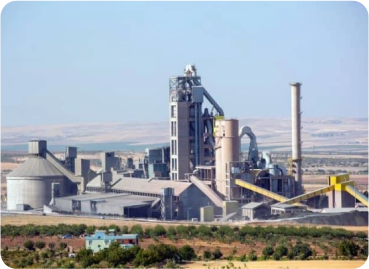
Integrated Mini Cement Plant in Ivory Coast
An integrated plant covers raw-material crushing, raw grinding, clinker production, clinker cooling, cement grinding, storage and packing in Ivory Coast. It can be considered when suitable limestone and corrective materials are available and the project can support the permitting, quarrying, fuel and process requirements of clinker production.
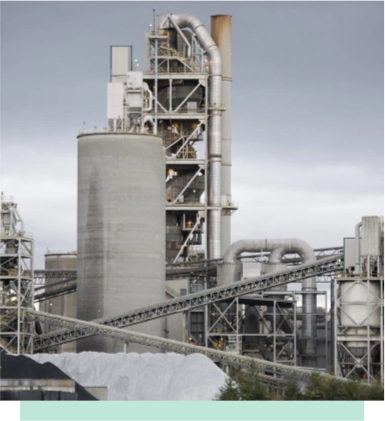
Clinker Grinding and Packing Plant in Ivory Coast
A grinding unit receives clinker and grinds it with gypsum and suitable supplementary cementitious materials to produce finished cement. This model may provide a more focused route for Ivory Coast where reliable clinker supply and viable inbound logistics are available.
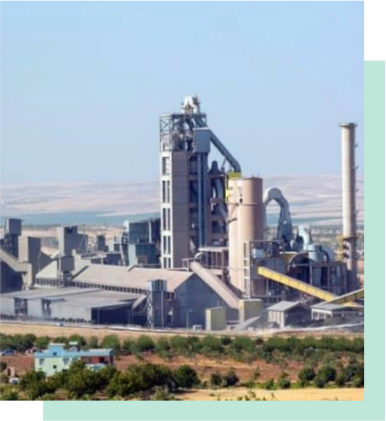
Blending and Packing Unit in Ivory Coast
A blending and packing facility in Ivory Coast can support a defined business model where compliant cementitious materials are sourced externally and the main requirement is controlled storage, blending, quality verification and market-ready packing.
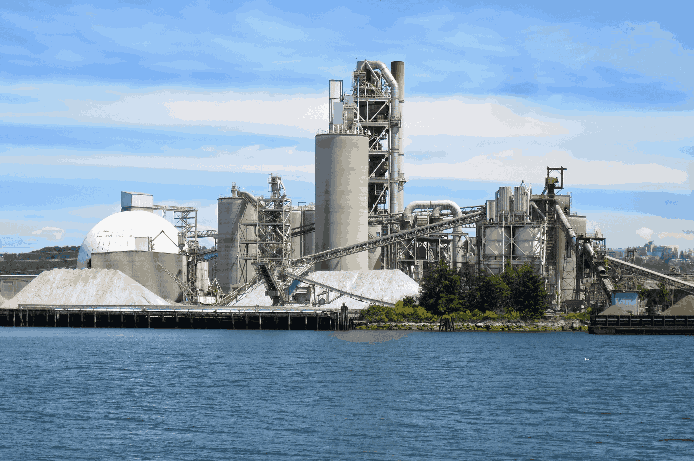
Existing Plant Expansion or Modernisation in Ivory Coast
NNT Cement in Ivory Coast can assess an operating plant for capacity improvement, energy reduction, equipment replacement, process debottlenecking, automation upgrades, additional silos, a new packing line or a separate grinding circuit.
Preliminary Technical Configuration
| Project Parameter | Available Approach |
|---|---|
| Plant Type | Integrated plant, clinker grinding unit, blending and packing unit, or plant expansion |
| Capacity | Project-specific; published range subject to confirmed product basis |
| Grinding | Ball mill, vertical grinding system or another validated configuration |
| Kiln Route | Vertical shaft kiln (VSK) or rotary kiln, subject to fuel, quality and capacity review |
| Automation | Manual, semi-automatic or PLC/SCADA-based control |
| Electrical Frequency | 50 Hz configuration available; final voltage based on site data |
| Fuel | Selected after fuel availability, process suitability, emissions and operating-cost review |
| Structural Material | Selected to approved engineering drawings, load cases, duty and project specifications |
| Dispatch | Bag packing, jumbo bags and/or bulk loading, subject to market requirement |
| Expansion | Modular provisions can be incorporated into the original layout |
Designed Around Ivory Coast’s Operating Conditions
Power and Energy Planning
Grinding, fans, conveying and material handling can represent a significant share of cement-production electricity demand. We evaluate high-efficiency motors, correctly sized drives, variable-frequency control, process interlocks, power-factor considerations and operating sequences based on the selected plant. Where required, the design can also consider load-management priorities and integration requirements for an approved alternative or captive power arrangement.
Raw Materials and Cement Quality
The project begins with representative material data. Limestone chemistry, clinker quality, gypsum, extenders, moisture, grindability and target cement performance affect the process route and equipment sizing. The final cement formulation and quality-control plan should be aligned with the standards and approvals applicable to the intended Ivory Coast market.
NNT Cement can configure the process, sampling points and laboratory requirements around the approved product specification. Product certification, regulatory approval and local compliance remain subject to the appropriate Ivory Coast authorities and accredited specialists.
Dust and Emissions Control
Dust control is integrated into transfer points, crushing, grinding, silo ventilation, packing and dispatch. Depending on the process, solutions can include bag filters, enclosed conveyors, covered storage, controlled extraction and plant housekeeping provisions. A clinker-producing facility may have additional atmospheric-emission and environmental-authorisation requirements.
The required approvals depend on the project location, process, capacity, fuel, quarry or mining scope and environmental impacts. Where the selected process qualifies as a listed atmospheric-emission activity, the project may require an Atmospheric Emission Licence and compliance with applicable minimum emission standards. The plant owner should confirm all requirements with qualified environmental specialists and responsible authorities before construction.
Logistics and Export Planning
We plan equipment segmentation, export packing, shipping documentation and delivery coordination around the project scope. Port and inland-routing options are assessed according to the project site, shipment size, lifting requirements and selected Incoterms. Final responsibilities for freight, customs clearance, duties, taxes, inland transport, unloading and storage are clearly defined in the commercial proposal.
Maintainability and Spare-Part Readiness
Maintenance access, lifting points, inspection areas and critical-spares planning are addressed during engineering. NNT Cement can provide start-up spares, commissioning spares, wear parts and recommended inventory lists to help the plant team prepare for routine operation.
Key Equipment for a Mini Cement Manufacturing Plant in Ivory Coast
Crushing & Material Preparation
Reduces limestone and raw materials to a controlled feed size based on feed size, abrasiveness, and moisture.
Raw-Material Proportioning
Accurate dosing with feeders, weighing systems, and process controls configured for stable raw-meal chemistry.
Grinding Systems
Ball mills and vertical grinding systems evaluated according to capacity, material properties, and energy targets.
Kiln & Clinker Production
VSK and rotary-kiln routes selected by reviewing output, raw meal, fuel, heat consumption, and product quality.
Clinker Cooling
Engineered to achieve controlled cooling, recover heat, and protect downstream conveying and storage systems.
Cement Grinding & Dosing
Clinker ground with gypsum and additives in controlled proportions to achieve required fineness and energy targets.
Storage, Packing & Dispatch
Silos, aeration, bagging, and bulk loading configured for target bag size, dispatch rate, and truck workflow.
Automation & Quality Control
Ranges from essential local operation to PLC/SCADA-based control with interlocks, alarms, and central supervision along with complete laboratory testing specs.
Why Choose NNT Cement as Your Mini Cement Plant Supplier, Manufacturer and Exporter In Ivory Coast?
15+ Years Engineering Experience
Our team brings deep expertise in industrial engineering, manufacturing, planning, and site execution to mitigate practical risks early.
One Accountable Partner
Work with a single project team for process definition, layout, equipment supply, erection guidance, commissioning, and spares.
Project-Specific Engineering
Configurations are built around your materials, fuel, power, logistics, site climate, and expansion objectives.
Energy & Maintenance Focus
Equipment is sized for stable operation, maintainability, and sensible energy consumption based on true operating conditions.
Modular & Expandable Layouts
Layouts allow future expansion of silos, packing lines, or grinding capacity without redesigning the whole facility.
Commissioning, Training & Spares
End-to-end support covering erection supervision, mechanical checks, cold/hot commissioning, operator training, and inventory planning.
Complete Mini Cement Plant Services for Ivory Coast
NNT Cement provides coordinated services for new cement projects, grinding units, production-line expansions and plant modernisation in Ivory Coast. Each proposal is developed around the client's raw materials, output target, site conditions, utility availability, product specification and preferred commercial scope.
Mini Cement Plant Design & Engineering
Our engineering team develops the process concept, equipment-selection basis, plant layout and utility requirements for compact cement manufacturing projects covering raw grinding, pyroprocessing, cooling, grinding, storage, packing, and controls.
Manufacturing & Equipment Supply
We supply project-specific mechanical equipment and coordinated electrical, instrumentation, and automation packages—including crushers, feeders, mills, kilns, coolers, separators, elevators, silos, and packing systems.
Mini Cement Plant Export to Ivory Coast
We prepare supplied equipment for international dispatch, providing packing lists, equipment identification, and shipment documentation. Freight terms, customs clearance, duties, inland transport, and unloading are clearly assigned.
Turnkey Installation & Commissioning
Turnkey services combine process engineering, equipment supply, erection supervision, commissioning assistance, operator training, and spare-parts planning. Civil works and local approvals are assigned per the responsibility matrix.
Clinker & Cement Grinding Solutions
Where clinker production is not commercially or environmentally suitable, we develop clinker grinding, blending, storage, and packing solutions based on clinker grindability, additives, and target fineness.
Automation & Control Systems
Options include PLC-based control, motor control, variable-frequency drives, instrumentation, process interlocks, alarms, and operator interfaces tailored to plant staffing and Ivory Coast's electrical requirements.
Plant Upgrade & Modernisation
We assess bottlenecks in existing operating plants and develop equipment upgrades for grinding, conveying, storage, packing, dust control, electrical systems, and automation based on reviewed process data and site limitations.
Spare Parts & After-Sales Support
We supply recommended start-up, commissioning, and operational spare parts for delivered machinery. After-sales support includes technical guidance, maintenance recommendations, troubleshooting, and replacement-part identification.
Engineering Documentation and Quality Assurance in Ivory Coast
A strong cement plant project requires more than machinery. Clear engineering documents help the owner review interfaces, prepare the site, plan utilities, coordinate contractors and operate the plant after commissioning.
- ✓ Process flow diagrams and approved equipment flow
- ✓ General arrangement and equipment-layout drawings
- ✓ Equipment datasheets and technical specifications
- ✓ Motor, drive, connected-load and utility schedules
- ✓ Foundation loads and civil-input drawings for supplied equipment
- ✓ Electrical single-line and control-system documentation within scope
- ✓ Instrument list, interlock philosophy and operating logic
- ✓ Inspection and quality-control records agreed for the project
- ✓ Packing lists, equipment identification and shipment documentation
- ✓ Installation guidance, operation manuals and maintenance recommendations
- ✓ Recommended commissioning and operational spare-parts lists
- ✓ Cold and hot commissioning checklists within agreed services
* The final document register is included in the technical offer so the client knows what will be submitted, which documents require approval, and which information must come from local consultants or contractors.
Clear Project Responsibilities for mini cement plant for Ivory Coast
NNT Cement Scope Can Includes:
- Process selection and equipment-sizing basis
- Plant layout and equipment arrangement
- Mechanical equipment manufacturing and supply
- Electrical, instrumentation and automation packages within scope
- Dust collection, conveying, storage and packing systems
- Export packing and dispatch documentation
- Erection supervision and technical installation guidance
- Commissioning assistance and operator training
- Start-up, commissioning and operational spare parts
Client and Local Contractor Scope Can Include:
- Land, surveys, geotechnical investigation and statutory approvals
- Quarry, mining and raw-material permissions where applicable
- Environmental authorisation and Atmospheric Emission Licence where required
- Civil construction, buildings, foundations and local structural works
- Grid connection, transformer, external cabling and site-wide utilities
- Water, fuel, compressed air and site services outside the supply boundary
- Customs clearance, duties, taxes, inland transport and unloading unless included
- Local cranes, tools, labour, accommodation and safe site access
- Product registration, testing and certification for the Ivory Coastn market
The commercial proposal must identify inclusions, exclusions, battery limits and client-supplied items rather than relying on a general statement such as "turnkey."
Turnkey Mini Cement Plant Project Scope in Ivory Coast
NNT Cement can provide a coordinated project scope from early study through plant start-up. The exact boundary is documented in a responsibility matrix so all parties understand their obligations.
Project Discovery
We collect location, land data, target output, cement type, raw-material reports, power/fuel data, packing requirements, budget, and timeline.
Feasibility & Process Selection
The team reviews alternative plant models and recommends an integrated plant, grinding unit, blending unit, or phased expansion.
Basic Engineering
Covers process flow, mass balance, equipment sizing basis, preliminary layout, utility estimates, and boundary scope definition.
Detailed Engineering
Includes mechanical, civil/structural inputs, electrical, instrumentation, control philosophy, equipment drawings, and interface specs.
Manufacturing & QA
Equipment is manufactured or sourced against approved specifications with pre-agreed inspection and documentation requirements.
Export Packing & Dispatch
Shipments are prepared per transport requirements with complete packing lists, marking, and dispatch coordination included.
Erection & Installation Support
NNT Cement provides technical guidance and supervision while local civil works, cranes, labor, and utilities are assigned in the agreement.
Commissioning & Training
Progresses through system checks, no-load trials, material trials, stabilization, operator guidance, and performance acceptance testing.
After-Sales & Spare Parts
Support options include critical spares, wear parts, remote technical assistance, site inspections, and performance upgrades.
Information Required for an Accurate Proposal
Send the following details with your enquiry so our engineering team can produce a realistic preliminary budget and process scope:
Submit Your Project Details
Receive a preliminary scope discussion and the next technical steps for your Ivory Coast project.
Get Started NowMini Cement Plant Cost in Ivory Coast
There is no responsible single price for every mini cement plant. Cost changes materially according to the selected model, capacity, raw-material properties, technology, automation, civil works, and commissioning scope.
A clinker grinding unit will have a completely different investment profile from an integrated plant. To deliver a useful budget, NNT Cement’s proposal itemises:
- Main mechanical equipment
- Electrical, instrumentation, and automation
- Structural supply within contracted scope
- Dust-control equipment & environmental protection
- Laboratory and quality-control systems
- Recommended operational & start-up spares
- Export packing and freight shipping basis
- Erection and commissioning supervision
- Client-supplied civil works and local utilities
- Exclusions, taxes, duties, and statutory fees
Service Coverage Across Ivory Coast
NNT Cement responds to project enquiries from major industrial and construction hubs across Ivory Coast, including:
Abidjan, Yopougon, Koumassi
San-Pédro Port Area
Bouaké
Yamoussoukro
Korhogo
Daloa
Frequently Asked Questions
Start Your Mini Cement Plant Project in Ivory Coast
Whether you are evaluating a new integrated plant, a clinker grinding unit, a compact blending and packing facility or an expansion of an operating cement plant, NNT Cement can help you define the right technical route.
Send your intended capacity, project location and available material data. Our engineering team will review the requirement and explain the information needed to prepare a project-specific proposal.

Cement plant Home page structure


Contact us


3rd Floor, Diamond Complex, SH 41,
Industrial Area, Chhapi, North Gujarat, India. 385210