Rotary Kiln Cement Plant Manufacturing relies heavily on rotary kiln technology, which is a vital component in the process of converting raw materials into premium cement clinker. As the brain of modern cement plants, the efficiency, consistency, and sustainability of cement production depends on these crucial rotary kilns.

In this blog, we will explore some of the basics of rotary kiln technology, including how it works, its advantages, challenges, and future trends.
The Chronicles of Rotary Kiln Technology
Rotary kilns are cylindrical, rotating structures in which cement is manufactured by processing the raw materials at high temperatures. That allows the chemical change to take place to produce the clinker. A rotary kiln design and operation influence the efficiency and quality of the cement produced.
The rotary kiln concept originated late in the 19th century and replaced static kilns with continuous operations, allowing for potential production increases in the cement industry.
Research and development into the construction of rotary kilns for cement factories has improved over the years, with advancements in efficiency, energy consumption, and output. Modern rotary kilns use advanced combustion technology, improved lining refractories, automated control systems, etc.
Essential Elements of a Rotary Kiln
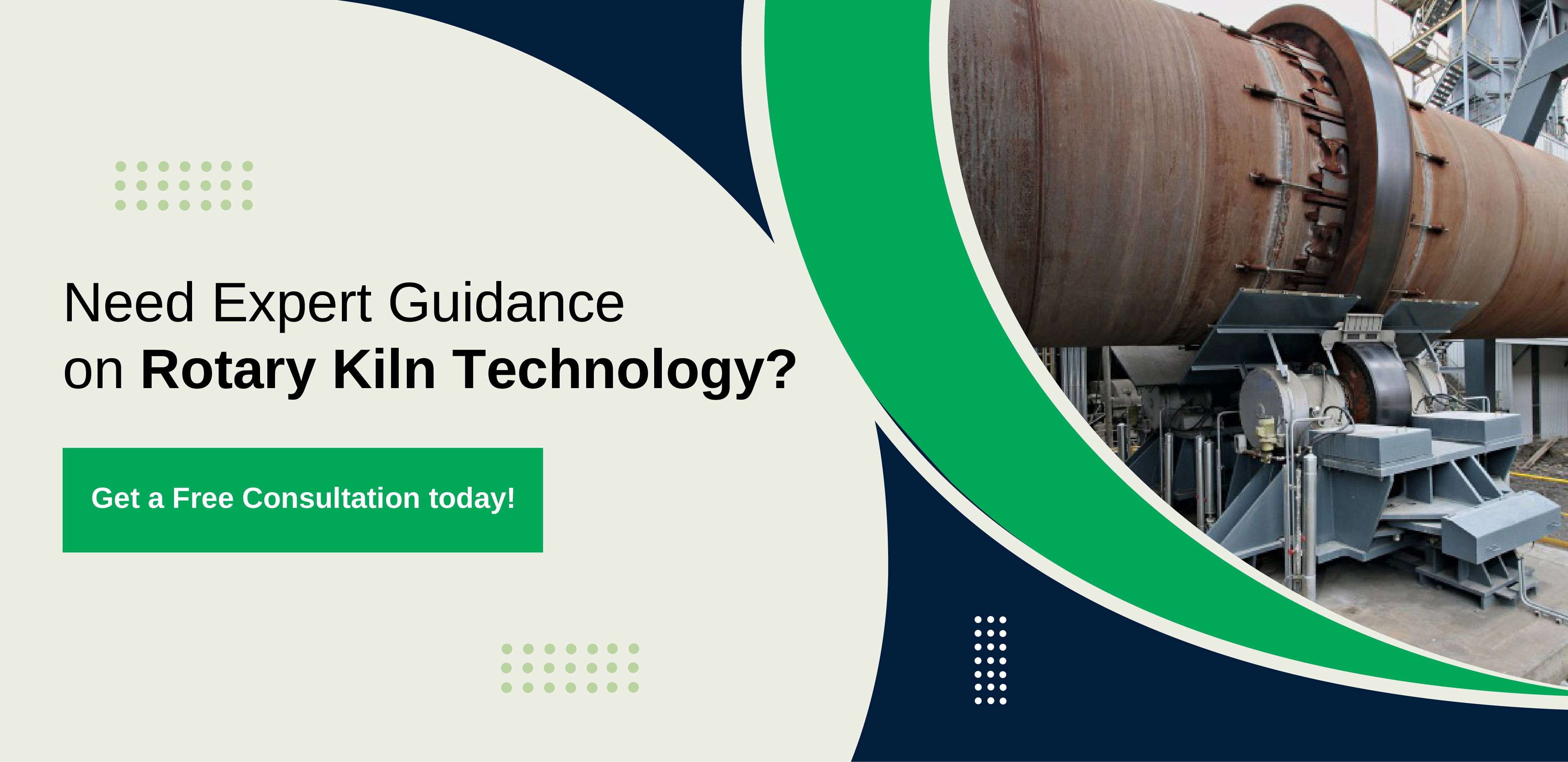
- Kiln Shell: The kiln shell is a massive steel structure that can endure high temperatures and mechanical stress.
- Manufacturer: Refractory lining that will withstand high temperatures, protect your shell from wear and tear, and extend the kiln buy.
- Burner: This device provides heat by burning fuel such as coal, gas, or other materials and distributes this heat effectively.
- Drive System: Rotate the kiln and move the material evenly.
- Kiln Hood: Controls the airflow and gas exchange and is critical for combustion control.
- Cooling System: Rapidly cools the clinker using a clinker cooler, ensuring quality cement production while conserving energy and improving efficiency.
Types of Rotary Kilns in Cement Plants
Of the many types, dry process kilns are the most efficient and widely used in modern cement plants owing to their lower fuel consumption and better environmental performance. Other types, such as wet process kilns, are less common because they are more energy-intensive. The top trends in construction industry enable the workers to use different types of rotary kilns in cement plants.
How a Rotary Kiln Works?
In the rotary kiln, this is a continuous course of action and the raw materials are subjected to several temperature levels. The controlled rotation and heating ensure the uniform processing of raw materials in order to obtain the best clinker quality.
By monitoring these parameters including feed rate, temperature, and rotation speed, you can get the benefits of increased productivity with reduced operational issues. Besides, you can also learn how cement is made in the factory.
Feeding Raw Materials
The raw materials, including limestone, clay, and silica, are preheated and fed into the rotary kiln. Using preheaters and proclaimers, Sanders increases efficiency by lessening the energy needed to heat raw materials.
Heat and Rotation
Within the kiln that spins, materials journey through condition areas that saw:
- Drying and Preheating Zone: Moisture from the raw materials evaporates, allowing them to be processed further.
- Main: The reaction between burning limestone to produce calcium carbonate (CaCO3) to form the cement powder.
- Sintering Phase: These are further combined into compounds like clinker silicates and aluminates, which are standard in cement blocks and contribute to their cementing properties.
- Clinker: The most crucial ingredient of cement, clinker is produced by mixing limestone, clay, depending on which grade of cement is closer, and other raw materials at high temperatures to stimulate the formation of calcium silicates.
Quality clinker production requires precise temperature control, as it plays a significant role in cement consistency, making monitoring systems and automation essential.
Function of Rotary Kiln in Cement Production
Rotary kiln in cement manufacturing process, the cement raw material and a variety of heat, chemical reactions occurred, and finally after burning lime is that the main component of cement clinker. Its operation affects production quality, energy consumption, and the performance of plants.
Primary Function: Clinkering
The startup of your rotary kiln plant is an important aspect of the manufacturing process for a rotary kiln cement plant. The kiln plays a key role in transforming raw materials into cement clinkers, an essential component of cement.
Chemical Reactions
- Decomposition of limestone: CaCO₃ → CaO + CO₂ is the critical step in cement chemistry.
- Clinker Minerals Formation: Calcium silicates (C2S, C3S) are responsible for the cement strength.
Calcium aluminates and ferrites control setting properties.
Integration with Other Cement Equipment
- Preheaters and Precalciners: Enhance thermal efficiency, leading to lower fuel use.
- Kiln Coolers: Control the cooling rate to ensure clinker quality.
- Emission Control Systems: Removes particulate matter and gasses to minimize environmental emission.
Advantages of Rotary Kiln Technology for Cement Plants
The evolution of green cement production technology through rotary kilns has a significant collaborative profit. Rotary kilns also play a key role in achieving efficient and sustainable cement production through uniform clinker quality and energy efficiency. Besides here are some of the top benefits of cement plants.
Operational Efficiency
Cement plant solutions from ABB, a pioneer in this field, provide high production rates with low downtime and optimize overall plant metrics.
Energy Efficiency
The advanced design maximizes fuel efficiency, lowering operating costs and carbon footprint.
Consistent Product Quality
This ensures that the temperature and process parameters are accurately controlled, producing uniform-quality clinker—vital for producing high-performance cement.
Environmental Protection
Employing alternative fuels and emissions reduction systems supports worldwide sustainability initiatives by minimizing the sector's environmental footprint.
Cost-Effectiveness
Automation and efficient fuel use minimize operational costs, making it easier to Choose Rotary Kiln Cement Plant Manufacturers for the best Returns.
Flexibility in Raw Materials
Enables utilization of diverse feedstocks, including industrial by-products, decreasing waste and enhancing sustainability.
Automation and Control
Modern kilns are equipped with AI and digital monitoring for objective time process optimization to achieve operational excellence.
Common Issues Faced During Rotary Kiln Operation and Their Remedies
There are many processes when running a rotary kiln in cement manufacture which need to be addressed to avoid affecting the production quantity and efficiency. Once we identify these areas of challenges, the solutions will help mitigate them, leading to uncluttered functioning and enhanced control.
Common Challenges
- Kiln Shell Deformation: Also called shell deformation.
- Wear of Refractory Lining: It needs to be replaced periodically, as its presence is necessary to maintain the kiln's efficiency.
- Temperature Variations: Impacts clinker quality and production consistency.
- Fuel Economy and Pollution: A cost and sustainability issue.
Solutions
- Regular Care and Inspections: Reduces downtime and increases longevity.
- Incorporation of Top-notch Refractory Materials: Boost longevity and thermal resistance.
- Training/Rehearsals: To raise awareness and improve preparedness.
- Renewable Fuels and Energy Generation: Lowers carbon footprint and costs.
Future Trends on Rotary Kiln Technology and Sustainability
This technology is also offering the more precise and efficient dehydration in kiln technologies. From alternative fuels to digital monitoring to emission reduction strategies, the industry is evolving to meet global environmental standards.
- Energy-Efficient Designs: Innovative kiln designs consume less energy and recover heat better.
- Alternative Fuels: The industry is turning to biofuels and waste-based fuels to reduce carbon footprint and enhance sustainability.
- Digitalization and AI: Combustion optimization, temperature control, and predictive maintenance are all made safer and more efficient via AI-powered systems.
- Green Cement Production: Modern kilns are also paving the way for Green Cement making that would cohere with global sustainability measures, thereby contributing to lower industry emissions.
Environmental Concerns and Sustainability
Rotary kilns play a significant role in the environmental footprint of cement production, making sustainability a key focus for the industry. Advances in emission control, energy efficiency, and alternative fuel usage are driving more eco-friendly operations.
- Reducing Carbon Footprint: As a result, the cement sector is transitioning towards cleaner fuels and energy-efficient methods, reducing emissions and boosting sustainability.
- Emission Control Systems: Advanced filtration systems and scrubbers can remove harmful particles from exhaust gases, ensuring emissions comply with environmental regulations and minimizing air pollution.
- Waste Heat Recovery: In all these scenarios, waste heat utilization has system thermodynamic benefits, improving overall energy efficiency and decreasing costs and environmental impacts.
- Sustainable Raw Materials: Using recycled materials decreases dependence on virgin materials and follows circular economy principles.
Conclusion
The Heart of Cement Manufacturing Rotating kilns are the soul of cement manufacturing crucial for efficiency, quality, and sustainability. The innovative technology called Advanced Features of Rotary Kiln Plants helps cement manufacturers boost productivity and reduce harm to the environment.
As technologies continue to evolve, the future of rotary kiln cement plant exporter and the best cement plant manufacturer must rely on energy efficiency, digitalization, and sustainability.