Mini Cement Plants: The New Backbone of Local Infrastructure
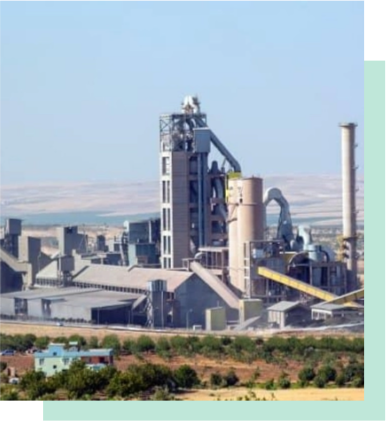
A few months ago, I was standing at the edge of a newly built 200 TPD cement unit on the outskirts of Nairobi. The hum of the kiln was steady, trucks were lining up for loading, and the plant manager told me proudly, “This project took us just ten months from drawing board to production. Our contractors no longer wait for cement shipments from Mombasa.”
That short exchange sums up why mini cement plants are on the rise. In 2025, they’re not just a side option—they’re quickly becoming the backbone of regional construction markets.
What These Plants Really Are
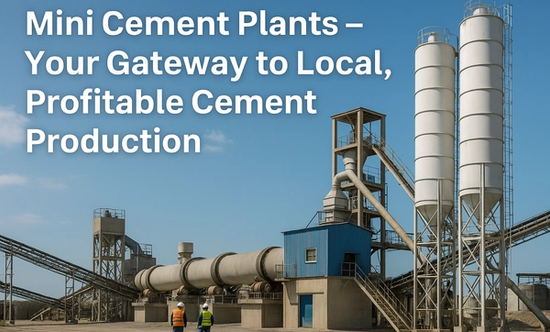
Forget the image of massive factories stretching over several square kilometers. A mini cement plant is a compact facility—typically between 100 and 500 tonnes per day—that serves a defined region.
The logic is simple: why haul cement hundreds of kilometers when you can produce it close to where it’s needed? The benefits show up immediately in fresher supply, lower costs, and far less environmental strain from transport.
Why They’re Spreading So Quickly
Talk to builders in Africa or Asia and you’ll hear the same story: large central factories can’t always keep up with fast-growing cities. Meanwhile, investors don’t want to tie up capital for years before seeing returns. A mini cement plant answers both problems.
Governments, too, are leaning in. Smaller plants mean local jobs, shorter supply chains, and better resilience when imports fluctuate. Add in the pressure for greener operations, and it’s no surprise that mini plants are popping up in places from India to Latin America.
The Business Math
Here’s the reality: a full-scale cement factory can take three to four years and hundreds of millions of dollars before it produces a single bag. A mini plant can be running in under a year, often for less than half the capital.
Investors like the fact they can start at 100 TPD and scale to 500 TPD step by step. Contractors like the security of local supply. And governments like the tax revenue and jobs that arrive much sooner.
How the Operation Works
Step inside one of these units and the flow is familiar, just on a smaller scale. Limestone and clay are crushed, blended, and heated in a kiln. Out comes clinker, which is cooled, ground with gypsum, and packed.
The equipment may be compact, but the output is real Portland cement—every bit as strong as that from a mega plant.
Picking the Right Builder
I’ve seen projects succeed brilliantly, and I’ve seen a few stumble. The difference almost always comes down to the partner chosen. A serious manufacturer will not only supply the machines but also design the layout, handle procurement, oversee construction, and stick around for after-sales service.
One investor put it plainly: “I didn’t buy machines. I bought confidence they’d keep running.”
The Green Advantage
Another reason mini plants are winning approval is sustainability. The best ones recycle waste heat, run partly on biomass or refuse-derived fuel, and are equipped with modern dust-control systems. That’s not a bonus anymore—it’s a requirement for financing in many regions.
Closing Note
Mini cement plants are no longer “mini” in importance. They’ve become a practical, profitable, and greener way to meet rising demand. For local builders, they mean steady supply. For investors, quicker returns. For governments, a way to support growth without waiting years.
And with an experienced partner like NNT Cement, setting up a plant isn’t just about machinery—it’s about building a foundation for the future of construction itself.