Entering the the cement manufacturing industry needs you to be prepared to face the competition. It's the one that produces over 4Bn metric tons annually, and it is projected to grow steadily as infrastructure demands surge worldwide.
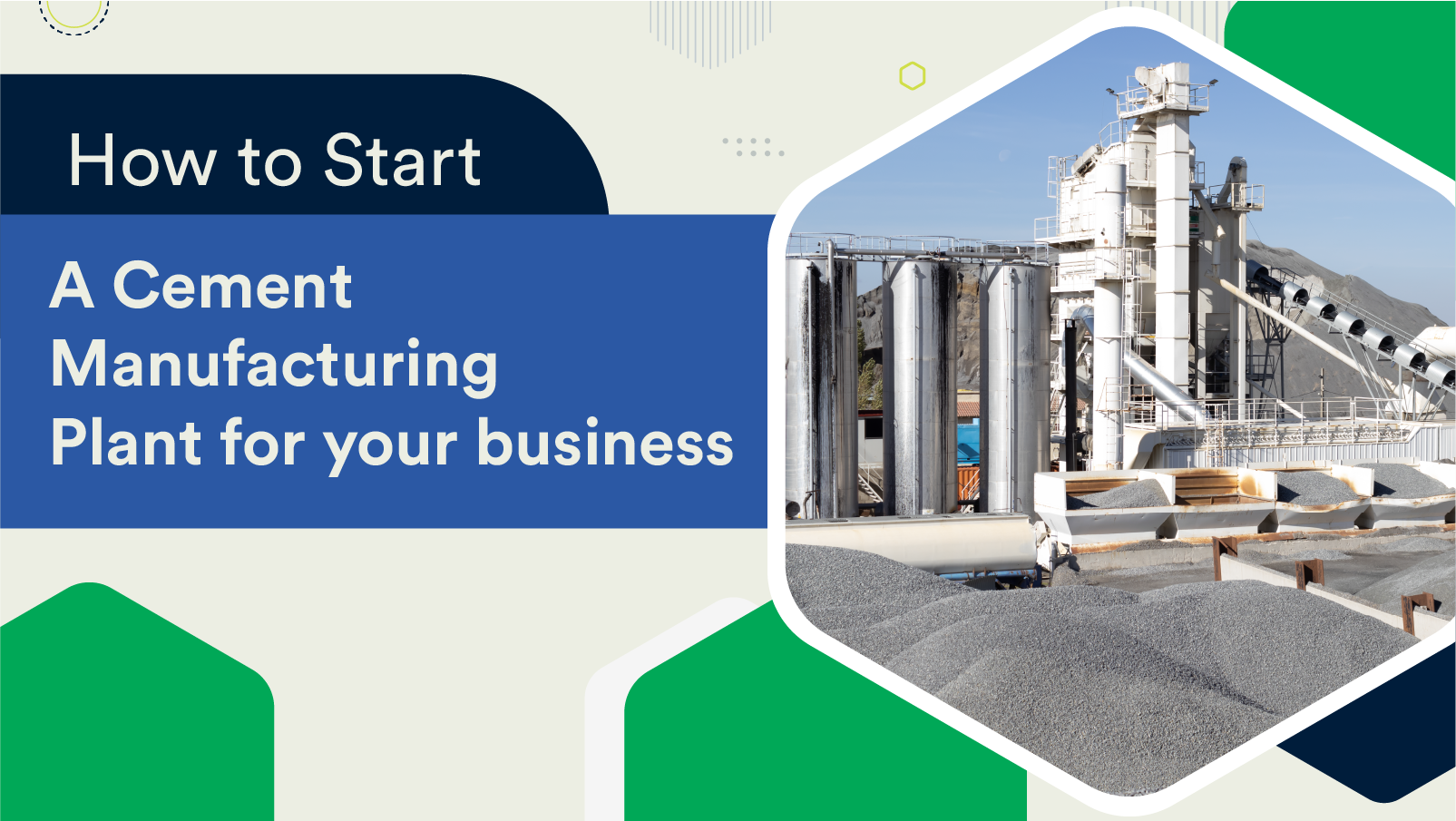
So, if you are thinking of starting a cement manufacturing factory, remember it's a robust sector with significant potential for expansion.
It is bound to grow at a CAGR of 5.24 by 2030, with production soaring 5.96 billion tonnes.
Cement remains a key fundamental ingredient in concrete — a backbone of modern infrastructure. So, cement is indispensable for all the infrastructure that’s being used to build skyscrapers in busy cities and for essential public utilities like highways and bridges.
Cement manufacturing puts you in a stable commodity market with a scope to drive employment opportunities within the community and leverage growing demands in emerging economies.
As prospective entrepreneurs and investors, we’d want you to have a deeper understanding of this market and how you begin with this business.
Let’s unfold it.
A Closer Look at the Cement Industry
Let’s have a solid analysis of the cement industry — covering the basics, key market dynamics, and different types of cement plants.
What is Cement Manufacturing?
Cement manufacturing is the industrial process of producing cement, a binding material essential for concrete and mortar, from raw materials like limestone, clay, and gypsum.
The cement manufacturing process involves crushing, grinding, heating, and cooling to form a clinker grounded into fine powder. The final product, cement, is used to provide strength, durability, and versatility in construction.
Market Demand for Cement
The cement industry is worth $340 billion globally and is expected to grow at a CAGR of 5.1% from 2023 to 2030. Asia-Pacific market dominates this space, where India remains the second-largest producer, contributing 410 million metric tons in 2022.
Here’s the cement industry size by key players.
| Country/Region | Production Volume | Major Cement Production Companies | Trends |
|---|---|---|---|
| China | Over 2.4 billion metric tons annually | CNBM, Anhui Conch, Sinoma | Rapid urbanization, Belt and Road Initiative, significant exports. |
| India | 372 million metric tons (2022) | UltraTech Cement, Ambuja Cement, Shree Cement | Expanding capacity, rising urban housing demands, “Housing for All” initiative. |
| United States | Approximately 94 million metric tons annually | LafargeHolcim, Cemex, Lehigh Hanson | Growth in non-residential construction, highways, and public infrastructure projects. |
| European Union | 173 million metric tons annually (2022) | HeidelbergCement, LafargeHolcim | Focus on green cement, reduced emissions, and circular economy practices. |
| Africa | Approx. 120 million metric tons annually | Various local producers | Infrastructure development, growing urban population, housing projects. |
| South America | Approx. 140 million metric tons annually | Various local producers | Urbanization, infrastructure expansion, increasing local demand. |
| Asia-Pacific (Overall) | Contributes over 70% of global production | CNBM, UltraTech, Sinoma, and others | Dominates global production and has a significant role in exports and infrastructure development. |
The Global demand for cement surpassed 4.2 billion metric tons in 2020, driven by residential and non-residential construction.
Locally, small-scale opportunities abound in regions with developing economies and rising housing projects.
For instance, rural India and parts of Southeast Asia have burgeoning small-scale cement demands tied to affordable housing initiatives.
Different Types of Cement Plants
There are different types of cement plants because of factors like production capacity (TPD: tonnes per day), geographic location, energy efficiency, and type of product manufactured.
These factors are tailored to meet specific market demands, resource availability, and environmental considerations.
Let’s explore the types of plants with their TPD capacity and characteristics.
Mini cement manufacturing plant
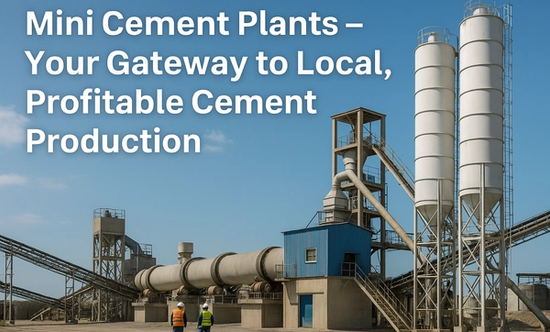
A small-scale cement plant that is designed for local demand, typically producing up to 1,000 TPD.
- Requires less capital and infrastructure
- Ideal for emerging markets and rural areas
- Can operate on alternative raw materials and fuels
Large-scale cement factories
These are high-capacity cement-producing plants generating over 10,000 TPD, designed for national and export markets.
- Advanced automation and a large workforce
- High capital and energy requirements
- Significant economies of scale
Modular vs. fully integrated plant
The modular cement manufacturing plant consists of prefabricated units producing 500–3,000 TPD, which are easy to install and expand.
Fully integrated plants are end-to-end plants that extract raw materials and package cement to produce over 5,000 TPD.
- Modular: Quick setup and scalability.
- Fully Integrated: Higher efficiency and reduced logistics costs.
Dry Process Cement Plants
This type of cement manufacturing plant uses dry raw materials and produces anywhere between 2,000–12,000 tonnes of cement per day.
- Energy-efficient; uses preheaters and precalciners
- Lower emissions compared to wet process plants
- Suitable for modern high-capacity operations
Clinker Grinding Units
These cement plants grind clinker into finished cement, typically producing 500–2,000 TPD.
- Requires lower capital
- Highly localized production
- Reduces transportation costs of finished cement
Wet Process Cement Plants
These plants use a slurry of raw materials to produce 1,500–8,000 TPD.
- High energy consumption
- Preferred where raw materials are naturally wet
- Increasingly replaced by dry process plants
Mobile Cement Plants
This type of cement plant is portable and used for on-site applications to produce up to 500 TPD.
- Ideal for remote construction projects
- Easy to relocate
- Limited production capacity
Energy-Efficient Cement Plants
These cement manufacturing plants use advanced technology to minimize energy use and produce 2,000–10,000 TPD.
- Use of renewable energy sources
- Lower operational costs over time
- Requires LEED (in the USA), GreenPro (in India), or other green certifications
White Cement Plants
Specialized plants producing 500–3,000 TPD of white cement for decorative purposes.
- Higher production cost due to raw material purity
- Low-iron raw materials used
- Niche market demand
Blended Cement Plants
Plants mix clinker with supplementary materials like fly ash or slag, producing 1,000–10,000 TPD.
- Eco-friendly by reducing clinker use.
- Enhances the durability of cement.
- Suitable for green building projects.
Quick-Setting Cement Plants
A cement plant that produces 500–2,000 TPD of cement for rapid construction applications.
- Special additives for quick setting
- Ideal for repairs and urgent projects
- Limited to niche markets
Eco-Friendly Cement Plants
Cement plants designed for sustainable operations, producing 1,000–5,000 TPD.
- Uses alternative fuels like biomass.
- Leverages carbon capture and storage (CCS) technology
- Focus on waste heat recovery
Specialty Cement Plants
These types of cement plants produce specific types like sulfate-resistant or high-alumina cement, typically 500–2,000 TPD.
- Tailored to specific industries (e.g., oil well cement).
- High-quality control measures.
- Smaller but profitable markets.
Regional Cement Plants
Useful when you require serving a limited geographical area and produce 1,000–3,000 TPD.
- Reduces logistics costs
- Caters to local demand
- Often small or medium-scale
Export-Oriented Cement Plants
It's a high-capacity plant with a focus on international markets and is able to produce 10,000–15,000 TPD.
- Strategic location near ports
- Advanced packaging and logistics systems
- Focused on maintaining global quality standards
Fly Ash-Based Cement Plants
Use fly ash as a primary raw material to produce cement for 500–3,000 TPD.
- Reduces the environmental impact of fly ash disposal
- Produces eco-friendly, cost-effective cement
- Prevalent in regions with abundant fly ash supply
Precast Cement Plants
These plants specialize in precast cement products to produce 1,000–5,000 TPD.
- Produces slabs, beams, and other precast items
- High precision and quality control
- Serves modular construction markets
Automated Cement Plants
Highly advanced cement plants integrating automation to produce upto 15,000 TPD.
- High efficiency and reduced manual labor
- Real-time monitoring and optimization
- Cost-intensive setup but long-term savings
Setting Up Your Cement Production Plant
Starting a cement production plant needs establishing a facility. The basics are strategic planning, considerable investment, and alignment with environmental and market requirements.
The below steps should help you get started in the right direction.
Market Research
Begin with knowing the market demand with focus on regional construction growth, infrastructure projects, and housing demands for local markets. For the global market, assess export opportunities and cement consumption trends in developing regions like Africa and Southeast Asia.
Industry reports, government infrastructure plans, and trade association data should be your go-to tools for pinpointing viable markets.
Things to consider for market research in terms of competitive analysis:
- The production capacity of competitors
- Current market pricing (average)
- market share of key players
- Unique offerings by competitors
Site Selection
A cement plant relies heavily on raw materials like limestone and gypsum, so proximity to these resources is non-negotiable to cut transportation costs.
Simultaneously, the site must’ve access to powerful infrastructure — good roads, railways, and ports for logistics. Also, check for consistent power supply and water resources for the cement plant’s smooth operations.
Moreover, you’ll have to follow environmental compliance as cement plants generate emissions and dust. So, securing permits from regulatory bodies is a mandatory step.
You’ll need cement plant manufacturers who help you choose the site that complies with —
- Zoning laws
- Pollution control norms
- Wildlife preservation standards
For example, a site near the high-quality limestone reserve (with >70% calcium carbonate) can achieve better efficiency. Similarly, access to grid power is necessary for an uninterrupted energy supply.
Select the Cement Type
The type of cement you produce directly impacts your market reach, plant profitability, and long-term sustainability.
Your decision should be based on:
- Market Demand: Ordinary Portland Cement (OPC) has universal demand, while Portland Pozzolana Cement (PPC) is preferred in eco-conscious markets.
- Raw Materials Availability: White Cement or High Alumina Cement (HAC) requires specialized raw materials.
- Plant Investment and Technology: High-end types like Rapid-Hardening Cement may need advanced equipment, increasing initial costs.
Let's explore different types of cement based and key considerations so as to your cement manufacturing plant.
Ordinary Portland Cement (OPC)
Used in general construction work, including buildings, bridges, and pavements.
- Has a high demand globally
- Ready availability of using raw materials like limestone and gypsum
- Less environmental sustainability compared to blended types
Portland Pozzolana Cement (PPC)
Offers sustainable construction with top-notch durability, useful in building personal spaces like buildings, homes, etc.
- Requires fly ash or volcanic ash as supplementary materials
- Lower carbon footprint, making it marketable in eco-conscious regions
- Longer curing time but improves long-term strength
High-Strength Concrete (HSC) Cement
A reliable cement type used in building skyscrapers, bridges, and heavy-load structures.
- Requires specialized additives for enhanced strength
- Target markets have high-performance construction needs
- Higher production costs
Rapid-Hardening Cement
Useful in fast-track construction and repair works.
- Needs precise temperature control during production
- Suitable for projects needing early strength gain
- Appropriate in urban areas with high construction activity
Low-Heat Cement
Useful in building massive concrete pours like dams and foundations.
- Ideal for regions with large-scale infrastructure projects
- Requires moderate initial strength but minimal heat generation
- Specialized markets may limit overall demand
Sulphate-Resisting Cement
Useful in marine structures and sulfate-rich soil areas.
- Requires specific low-alumina formulation
- Focus on regions prone to chemical attacks, like coastal or industrial zones
Portland Slag Cement (PSC)
Necessary type of cement for projects requiring high durability in aggressive environments.
- Granulated blast furnace slag act as a key ingredient
- Sustainable option for industrial and eco-sensitive zones
- Needs access to steel plants for slag supply
White Cement
A must-use cement type for decorative and aesthetic applications like tiles and facades.
- Needs pure limestone and low-iron raw materials
- High production cost but lucrative in niche markets
- Sold in regions with demand for luxury or architectural projects
High Alumina Cement (HAC)
Used in refractory works and high-temperature structures.
- Requires bauxite as a key raw material
- Limited yet profitable markets like furnaces and industrial kilns
Portland Limestone Cement (PLC)
Widely used cement type for general construction with a focus on sustainability.
- Lower clinker content to reduce carbon emissions
- Need access to high-quality limestone
- High demand in regions focusing on green construction
Air-Entraining Cement
Ideal for building structures in cold regions with freeze-thaw cycles.
- Requires air-entraining agents like surfactants
- Market limited to specific climates
- Adds complexity to production processes
Colored Cement
A premium cement for niche markets used mainly decorative projects requiring architectural aesthetics.
- Demands high-purity pigments
- High production cost limits scalability
Hydraulic Cement
Helpful in building sites underwater or in moist conditions/regions.
- Needs specific additives like silica fume and other pozzolanic materials to build water resistance
- Relatively stable demand in specialized markets
Expansive Cement
A preferred type of cement for crack-resistant repairs and structures.
- Requires special additives to counteract shrinkage
- Limited demand in repair and restoration markets
Oil Well Cement
A type of cement used for oil and gas well linings under extreme conditions.
- Requires unique properties like resistance to high temperature and pressure.
- Market limited to oil and gas industries.
- High profitability but niche demand.
Quick Setting Cement
Preferred choice for emergency repairs and underwater structures.
- Requires precise production controls for rapid setting
- Limited use but high value for urgent construction needs
Blast Furnace Slag Cement
A go-to choice for high-durability projects in marine or industrial zones.
- Needs a consistent slag supply from steel plants.
- Sustainable option with low carbon emissions.
Masonry Cement
This type of cement is used in mortar and plaster applications.
- Limited to specific uses like bricklaying and plastering
- Requires limestone, gypsum, and fine-grinding additives
Carbon Resistant Cement
Essential cement type for building structures exposed to carbonation risks.
- Demands precise chemical formulations.
- Market limited to specialized industries.
Acid-Resistant Cement
Helpful in building industrial facilities that handle chemicals and acids.
- Requires silica and acid-resistant materials.
- Niche market with limited but consistent demand.
Defining Production Capacity and Financial Planning
Let's discuss the key aspects in cement production about the capacity, measured in Tonnes Per Day (TPD) and financial planning.
How to Decide on the Production Capacity of a Cement Manufacturing Plant
Decide on the number of tonnes of cement that your cement manufacturing plant would produce.
It’ll typically range anything between 50 TPD to 10,000 TPD or even more.
The following factors help narrowing on a TPD range.
- Market Demand: Analyze local and export requirements. Small towns might need a mini plant (50–200 TPD), while urban or export markets demand capacities of 5,000–10,000 TPD.
- Raw Material Availability: Check your plant’s proximity to limestone reserves, often dictating the scale of production.
- Investment Potential: Higher capacities require significant capital but offer better economies of scale.
- Competition: Gauge the regional market saturation and demand for niche products like blended or eco-friendly cement.
How to Determine the Cost of Setting up a Cement Manufacturing Plant
The table below demonstrates a systematic approach for estimating the cost of setting up a cement manufacturing plant
| Cost Component | Factors to Consider |
|---|---|
| Land Acquisition | Land near limestone mines or logistics hubs may cost 10–20% of total investment. |
| Construction | Plant design, civil works, and machinery setup; typically 40–50% of total costs. |
| Transportation | Equipment delivery, raw material haulage, and product distribution costs. |
| Energy | Power plant or grid connection accounts for 20–30% of operational costs. |
| Salaries | Workforce wages depend on plant size and automation; labor-intensive plants require higher recurring expenses. |
| Operational Costs | Maintenance, raw material procurement, packaging, and logistics expenses. |
How to Secure Finance for a Cement Manufacturing Factory?
To sort out the financing, consider exploring the below options.
- Bank Loans: A traditional option with long-term repayment plans.
- Investors: Attract venture capitalists or angel investors looking to pivot to infrastructure and sustainability-focused industries.
- Partnerships: Collaborate with established cement companies for joint ventures to share risks and resources.
- Government Schemes: Explore industrial development loans or tax incentives for eco-friendly initiatives.
Conduct Profitability Analysis and Financial Forecasting
Lastly, you’ll need to take two significant steps.
A. Run Profitability Analysis by
- Making revenue projections based on the expected sales volume and market price per ton of cement.
- Running cost analysis for fixed costs (land, plant setup) and variable costs (raw materials, energy).
- Defining breakeven for minimum production level needed to cover all expenses.
B. Perform Financial Forecasting by
- Using tools like NPV (Net Present Value) and IRR (Internal Rate of Return) to assess long-term financial viability.
- Considering inflation, market growth rates, and potential risks like raw material shortages.
- Including sensitivity analysis to evaluate profitability under varying production or cost scenarios.
Key Processes in Starting a Cement Production Plant
Starting a cement production plant demands a structured series of steps for operational, legal, and financial feasibility.
Below are the five steps to begin your cement manufacturing plant setup.
Preparing a Business Plan
A business plan should include allocating the budget based on its importance within the plant.
Majorly, it’ll be for :
- Land: Secure land near limestone reserves and logistics hubs with required zoning approvals. Allocate 10–20% of the total budget for land acquisition.
- Equipment: Budget for crushers, kilns, grinding mills, and packaging systems—typically 40–50% of the investment.
- Labor: Include costs for both the construction phase and operational staff.
- Raw Materials: Plan for a consistent supply of limestone, clay, gypsum, and fuel sources like coal or petcoke.
- Operations: Include maintenance, utilities, and initial working capital in the budget.
After setting a budget, financially plan the following aspects:
- Projected revenue: Estimate based on production capacity and market rates. For example, 1 ton of cement can yield a market value of INR 3,500–5,000.
- ROI: Typically, cement plants break even at the earliest within three years, depending on capacity and operational efficiency.
- Funding options: Explore bank loans, government subsidies, and partnerships for initial funding.
Legal Registration and Licensing
Make your cement production plant a legal entity by taking the following actions.
Register with the Ministry of Corporate Affairs (MCA)
A cement manufacturing business should be registered as a private limited company (Pvt. Ltd) or LLP to give it legal status. You can do this online via the MCA21 portal and obtain a Certificate of Incorporation.
Obtain necessary licenses: GST, Trademark, Environmental Clearance
You’ll need to possess the following:
- GST registration for tax compliance and invoicing
- Trademark registration to protect your brand and products
Environmental Clearance by applying through the Ministry of Environment, Forest and Climate Change (MoEFCC). Submit an Environment Impact Assessment (EIA) report detailing pollution control measures
Purchase Equipment and Raw Materials
After compliance and environmental clearance, work towards purchasing the equipment and raw materials for the cement production business.
Primary Raw Materials
- Limestone: Core raw material; ensure it’s sourced from high-purity reserves (>70% calcium carbonate).
- Clay and Gypsum: Secondary ingredients for clinker and cement production.
- Coal/Petcoke: Used for fueling kilns; consider supply contracts with mining companies.
Identify suppliers and pricing strategies to build long-term contracts with reliable suppliers and maintain cost stability.
Essential Machinery for Cement Production
Below are the non-negotiables in terms of machines for cement production.
- Crushers — Breaking down limestone and other raw materials
- Preheaters & Precalciner — Optimizing energy use during clinker formation
- Rotary Kilns — Converting raw meal into clinker
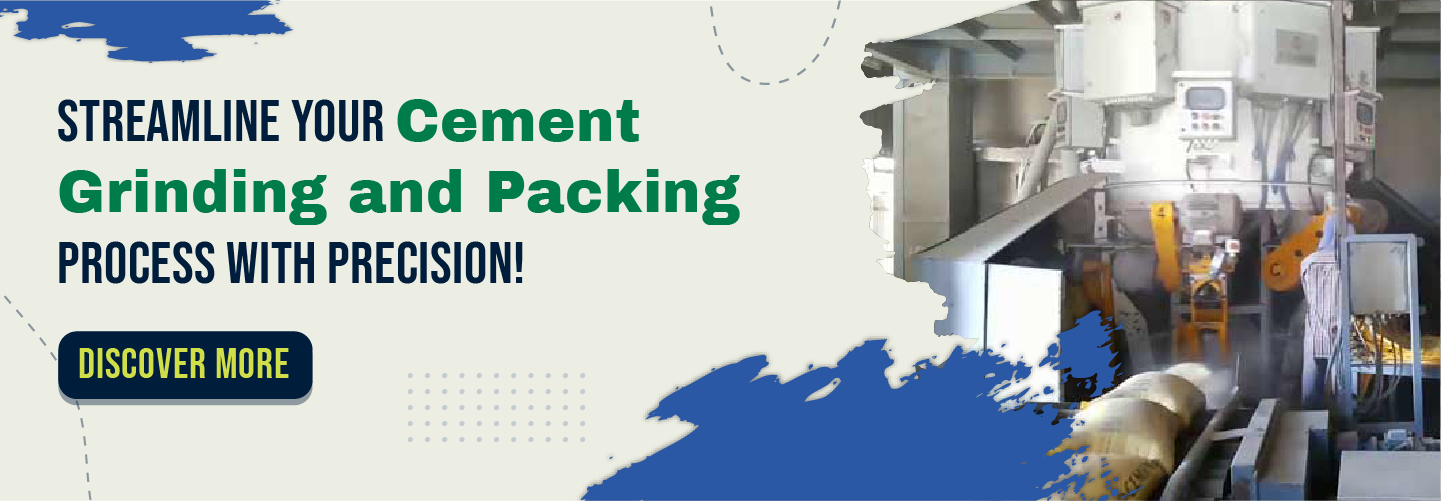
- Grinding Mills — Fine-grinding clinker into cement
- Packaging Systems — Automating the bagging and dispatch processes
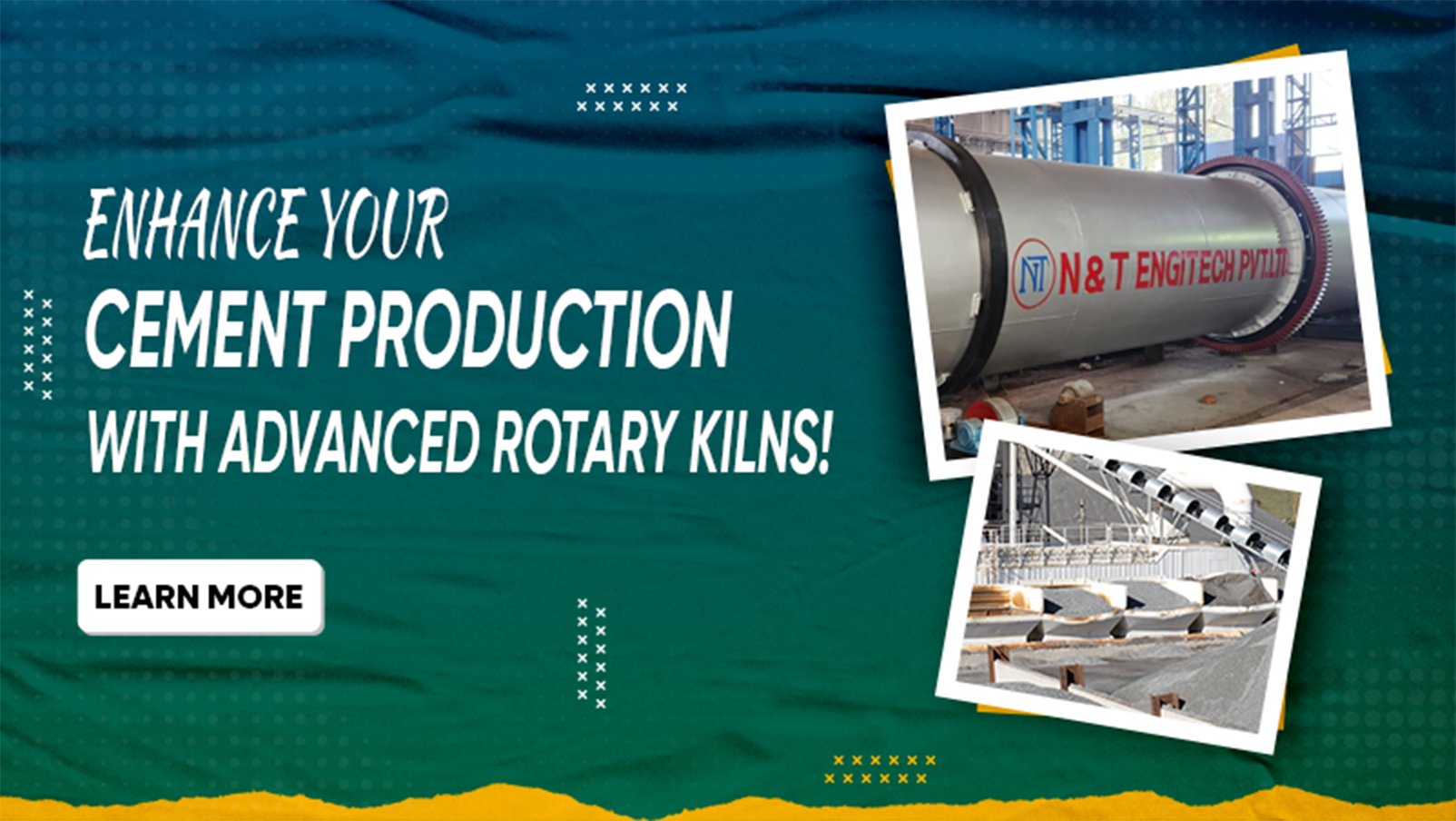
You can explore the advanced technologies and automation options for:
- Automation Systems — Process monitoring, quality control, and operational efficiency
- AI/IoT Solutions — Optimizing energy consumption and predictive maintenance
- Waste Heat Recovery Systems (WHRS) — Reducing energy costs by harnessing waste heat from the production process
Construction and Plant Setup
Post the basics, start working to build and set up a cement manufacturing plant. Also, consult cement plant manufacturers to get their ideas and start setting up the plant.
Break this step into three central sub-processes:
Step-by-step plant setup process
Below is the hierarchy of steps to consider when setting up a cement manufacturing plant.
- Site Preparation: Clear and level the land to set a solid foundation for heavy equipment after conducting geotechnical surveys for soil stability.
- Civil Works: Build plant structures, including raw material storage, production units, administrative offices, and waste treatment facilities.
- Equipment Installation: Sequentially assemble core machinery—crushers, kilns, mills, and conveyor systems. You’ll need specialized installation teams for complex systems like rotary kilns and preheaters.
- Utilities Setup: Establish power connections (grid or captive plants), water supply pipelines, and waste management systems.
Follow the major stages of plant design and assembly
You’ll run the process for cement plant design and assembly which involves the following major stages.
- Raw Material Handling Area: Include conveyors and crushers for efficient processing.
- Clinker Production Unit: Designed for optimal kiln placement, preheater towers, and fuel-feeding systems.
- Grinding and Storage: Install grinding mills and silos for cement storage along with the provision for smooth transfer of cement from mills to silos.
- Packaging and Dispatch: Add automated packaging systems for bagged or bulk cement transport.
Compliance with safety and environmental regulations
Its an unavoidable step for setting up a cement manufacturing plant where you’re expected to work on the following areas:
- Dust Control: Install baghouse filters and electrostatic precipitators (ESPs) to minimize emissions.
- Noise Control: Soundproofing measures for machinery prone to high decibel levels.
- Safety Protocols: Implement safety features like emergency stops, protective gear, and regular audits.
- Waste Management: Set up systems for recycling and managing kilns with material waste to comply with environmental regulations.
Recruitment and Training
Hire necessary manpower to handle the operations of cement manufacturing.
At a macro level, you’ll recruit a team and train them to leverage the cement plant efficiently.
Hiring Skilled Labor
Recruit personnel in the key areas as follows:
- Machine Operators — operating crushers, kilns, grinding mills, and packaging equipment.
- Quality Testers — testing raw materials for consistency and monitoring cement quality at various production stages.
- Engineers — Monitoring plant operations, equipment maintenance, and process optimization.
- Supervisors and Logistics Staff — Managing raw material inventory and dispatch schedules.
Training the Skilled Labor
Offer the following training once you hire skilled workers:
- Operational Training: Educate workers on equipment functionality, troubleshooting, and efficiency optimization.
- Safety Training: Conduct sessions on emergency protocols, hazard identification, and proper use of personal protective equipment (PPE).
- Process Training: Provide an in-depth understanding of clinker formation, grinding processes, and packaging systems.
- Technology Training: Familiarize staff with automation systems, AI tools, and energy management software for modern plants.
Step-by-Step Overview of the Cement Manufacturing Process
Now, the big question — how cement is made in a factory?
This step-by-step overview should help understand the cement manufacturing process to transform raw materials like limestone and clay into a finely ground, durable binding agent.
The below steps are interconnected to have a production line for delivering the final product, cement, from raw geological resources.
Mining and Crushing of Raw Materials
Limestone, clay, and other raw materials are extracted from quarries or mines to be crushed into smaller sizes for easy transportation and processing.
Raw Material Grinding and Mixing
Set correct composition of raw materials to ensure chemical consistency. After that, crushed materials are grounded into fine powder using grinding mills (vertical or ball mills). These are blended in precise proportions to create a uniform raw mix or slurry.
Preheating and Kiln Processing
The raw mix is preheated using waste heat from the kiln, which then enters the rotary kiln, where temperatures reach 1,450°C to form a clinker. Here, kiln drives off carbon dioxide and other impurities, leaving the required compounds like clinker, a precursor to cement.
Clinker Cooling and Final Grinding
Clinker is rapidly cooled using air or water to stabilize its properties and grounded with gypsum in cement mills to produce a fine cement powder.
Packaging and Distribution
Cement is packed into bags (25kg/50kg) or shipped in bulk. Later, for logistics and distribution, they are sent via trucks, railways, or ships to local and global markets.
Practical Solutions for Challenges in Setting Up a Cement Plant
Cement manufacturing is a capital-intensive and resource-heavy industry. Setting up a cement plant presents many challenges, from financial constraints to environmental compliance.
Below are the challenges and solutions of cement plant manufacturing that help navigate the issues.
Challenges
First, let's figure out some of the major challenges of cement plant manufacturing:
High Setup Costs and Operational Expenses : Setting up a cement plant requires significant capital for land, equipment, and construction. So, high operational costs for energy and maintenance can put up challenges.
Raw Material Sourcing and Price Fluctuations : Limestone, clay, and gypsum prices can fluctuate based on market dynamics. Such disruptions in raw material supply chains can halt your cement production.
Environmental Compliance and Regulatory Hurdles : Stringent environmental laws require investments in pollution control technologies wherein dealing with regulatory delays can increase project timelines and costs.
Solutions
Stay prepared with a range of solutions to address the challenges of cement manufacturing plant setup.
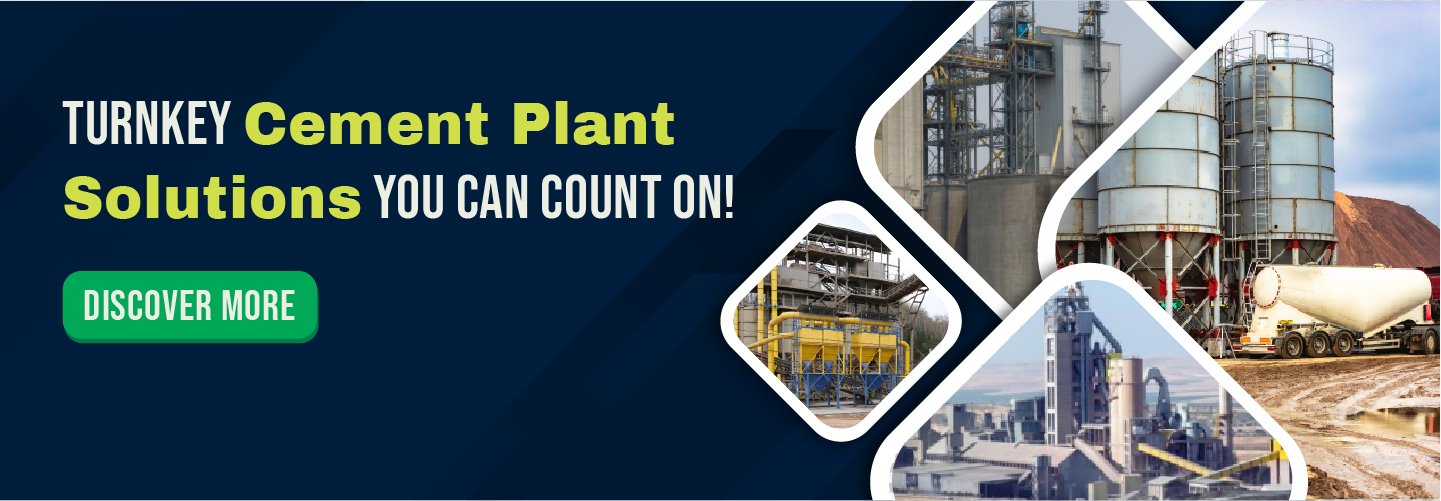
Partner with a reliable cement plant manufacturer to make a choice based on the following:
- Check for cost-effective plant designs and modular setups
- Ask for end-to-end solutions, reducing initial setup complexities
Invest in energy-efficient equipment and processes.
Trying to reduce the cost of setting up a cement manufacturing plant needs investing in energy-efficient equipment. For this, invest in Waste Heat Recovery Systems (WHRS) and renewable energy sources as well as automation and AI to optimize energy use and reduce downtime.
Explore small-scale cement manufacturing opportunities
Prioritize scalability when exploring small-scale cement manufacturing opportunities. Build small-scale units for grinding and blending near raw material sources. Also, leverage alternative materials like fly ash or slag to reduce dependency on traditional sources.
Analysis of Costs and Investments
A thorough cost and investment analysis helps identify the financial feasibility of a cement manufacturing plant. Based on this analysis, you can make sure that the capital is allocated effectively and is in a position to optimize operating expenses and profitability.
Here are the three major factors that you’ll have to consider.
Initial Investment Overview
Before investing or even getting the funds, identify areas that need the capital. This will majorly boil down to the following:
Land Acquisition
Securing land near limestone reserves and infrastructure hubs that can vary based on location and size.
Equipment Procurement
Set aside 40-50% of the initial investment for equipment like crushers, kilns, preheaters, grinding mills, and packaging systems.
Labor Costs During Setup
Avail temporary workforce for construction and equipment installation as you allocate roughly 5–10% of the budget for skilled and unskilled labor.
Raw Material Sourcing
Initial purchase agreements for limestone, gypsum, clay, and fuel, along with prepayment contracts, may require 5–8% of the total investment.
Operating Costs for a Cement Manufacturing Plant
Next, consider the operational cost needed to run the cement manufacturing after setting it up which will split into the following areas:
Energy Consumption
Approximately 30–40% of operational expenses for investing in waste heat recovery systems or renewable sources can reduce long-term costs.
Machinery Maintenance
Regular maintenance of kilns, grinders, and conveyor systems needs planning for 5–10% of operating costs annually.
Labor Costs
Salaries for operators, engineers, quality control staff, and logistics personnel will take up 25% of operational expenses on average, depending on the plant size and regional standards.
Packaging and Transportation
These are expenses for bagging cement and delivering it to markets, especially in remote or export regions.
ROI Expectations
Lastly, you’d need to set a target for the return on your investment. Getting into this number has different considerations as follows:
Profitability Timeline
- Small-Scale Plants (50–1,000 TPD): Lower initial investment; ROI achievable in 5–7 years, assuming consistent demand.
- Large-Scale Plants (5,000–10,000 TPD): Higher capital but better economies of scale; ROI typically in 7–10 years.
Financial Aid Options
- Bank Loans: Long-term loans with interest rates ranging from 6–12%, depending on country and project size.
- Government Incentives: Check for subsidies for energy-efficient technologies and eco-friendly operations while also considering tax holidays or exemptions in industrial zones.
Conclusion
Setting up a cement manufacturing plant is a big project, but with the right steps, it’s completely achievable. It starts with solid planning and understanding the market. Also, there’s much to consider — from different types of cement to the cement manufacturing process and even the location, equipment, operations, etc.
A good head start to begin here is to choose a cement plant manufacturer who can overcome the challenges of getting into this business. The experienced teams can help you with the solutions like energy-efficient equipment, connect with reliable suppliers, and even help with choosing the strategic location.
To get started, connect with cement manufacturing plant experts at NNT cement. Our team will help you navigate the path of starting a cement manufacturing plant and setting it up for success.